‘Find a scene that has depth. From a fixed position, take a sequence of five or six shots at different focal lengths without changing your viewpoint….’
Weird times. I’ve been unaffected by the virus but I’ve been dumbstruck for a few weeks from the battering I’ve taken financially and its effect on other plans – E.G. Pulled out of a house purchase (I manage my own pension and ISAs so a retirement beyond bread and dripping relies on my decisions). Despite my best efforts to try and get a handle on Assignment two I find my days spent looking at ever changing share prices (usually downwards) and though I’m lucky enough to live in a rural area (getting outdoors has been good for the soul) I have struggled with the photography. I’ve still had ideas so the creative side of the brain is still ticking over but the execution has perhaps been a bit slow. I have also found myself flicking through all the exercises in part two on and off rather than sticking steadfastly to each exercise in turn. I think this is because my concentration is only working in short bursts and so I’ve flitted. Anyway, fuck all that. I’m well, I’m clothed, I’m not hungry and the sun is shining so let’s crack on.
I knew that I wanted to use buildings in Cambridge for this part but the lockdown scuppered that. I tried unsuccessfully outdoors using pylons in a field but didn’t think they offered enough difference in perspective – I use a full frame camera and my lens range is 14-24 28-70 then a big jump to 200-600 – as you move through the perspective changes dramatically at the higher end and flattens perspective completely. I wanted to demonstrate this in my first part of the project but with location being a difficulty I was struggling.
It’s funny how familiarity can blind you. A location you know completely is no longer looked at or observed but forms just a part of the background of your daily life. The church you dummy! I walk past one of the two churches in our village pretty much everyday but hadn’t once thought about going inside to take pictures – a quick check with the church warden thats it would be ok under lockdown and I was in. I knew the location would present challenges and so a tripod was a must. I also knew that I wanted the shots to be continuous so I needed to set up for the 600mm zoomed shot and then check the 14mm shot and those in between still worked. Once happy with the set up I also decided that I would take three bracketed images to include as much tonal information as possible and then pull them together in a package i use occasionally called Aurora HDR. HDR has been massively overused in recent years and can look distinctly ugly but if used subtly can really help in locations with tricky lighting where you want as much information as possible.
I needed to maintain manual ISO on these shots as AUTO ISO has a habit of selecting higher ISO whilst bracketing which would result in noiser images which would look odd when combined. It was relatively easy to maintain a low ISO in the wide shots BUT I didn’t have a remote shutter release (since remedied!!) and with some of the shots being on a long zoom lens the slightest movement from my finger held down on the open shutter ended in a blurry image. I was a little surprised to see I needed ISO 1000 on the 600mm shot to ensure a fast enough shutter speed. The other thing to note is just how much longer the exposures need to be as you go through the range (50mm needed an 8 second exposure on the +2 bracket whereas 14mm needed only 2 seconds on the +2 bracket)
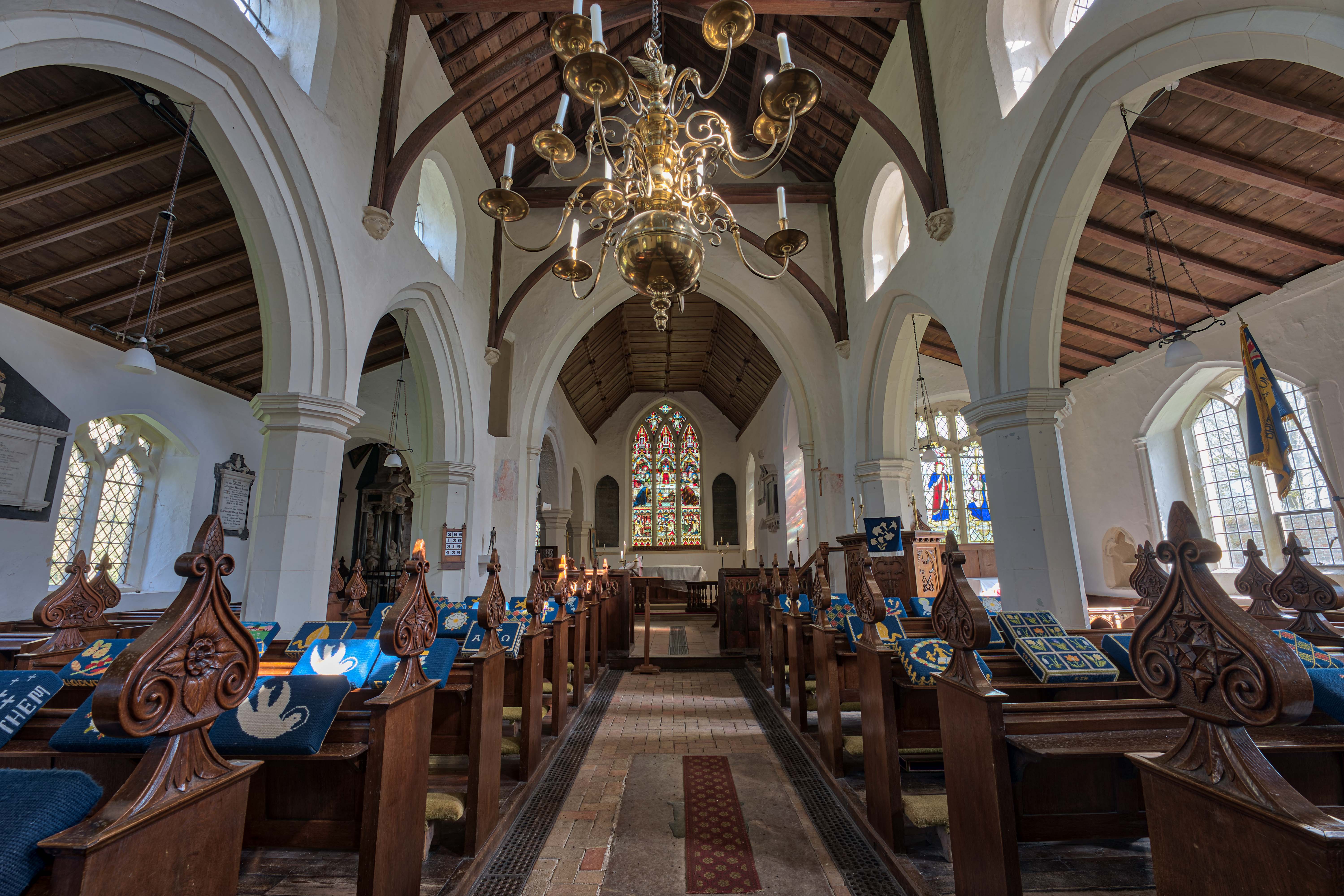
14mm f11 (2 secs, 0.5 secs, 1/8 secs) ISO 100
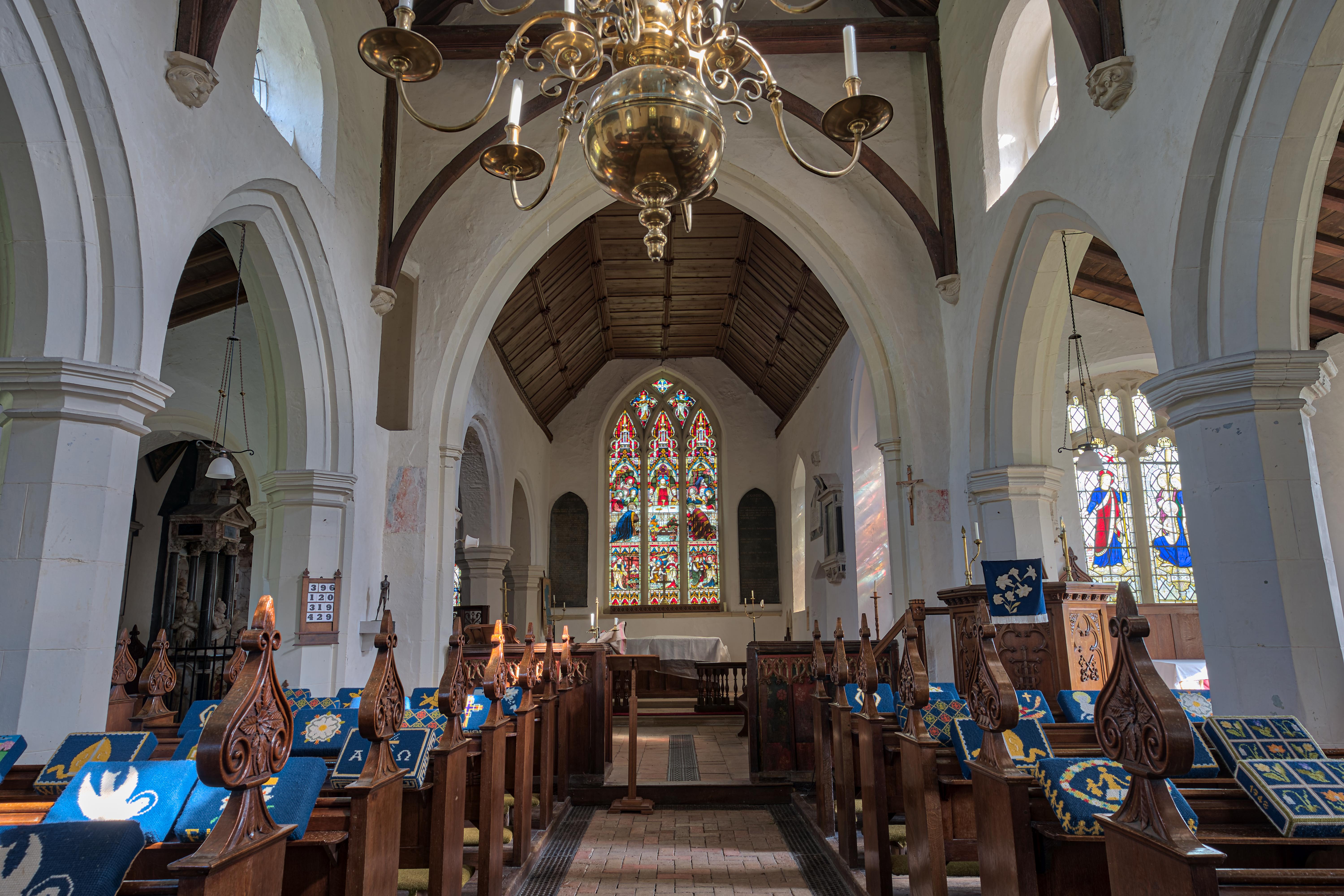
24mm f11 (3.2 secs , 0.8 secs, 1/5 secs) ISO 100
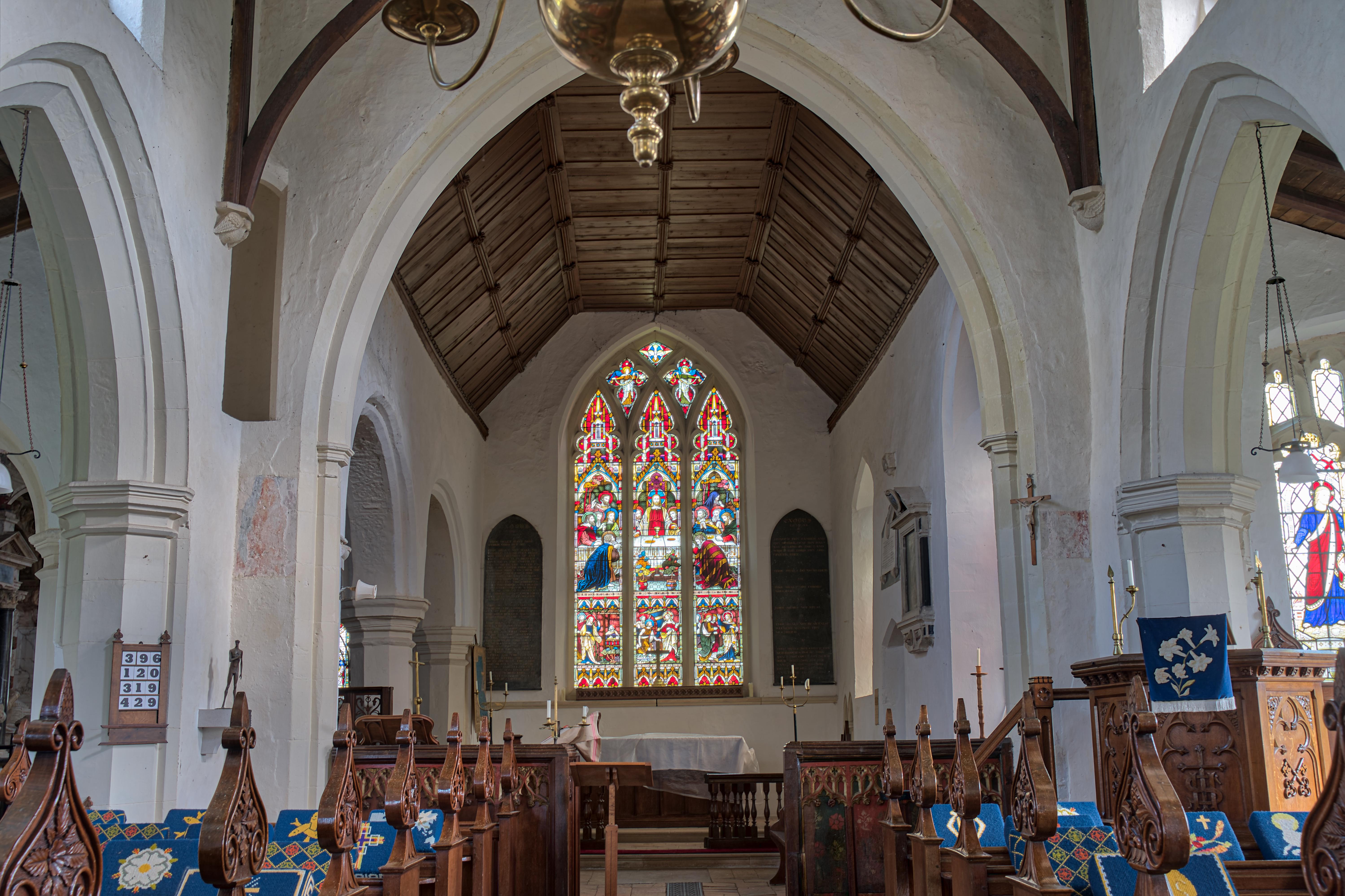
35mm f11 (6 secs, 1.6 secs, 0.4 secs) ISO 100
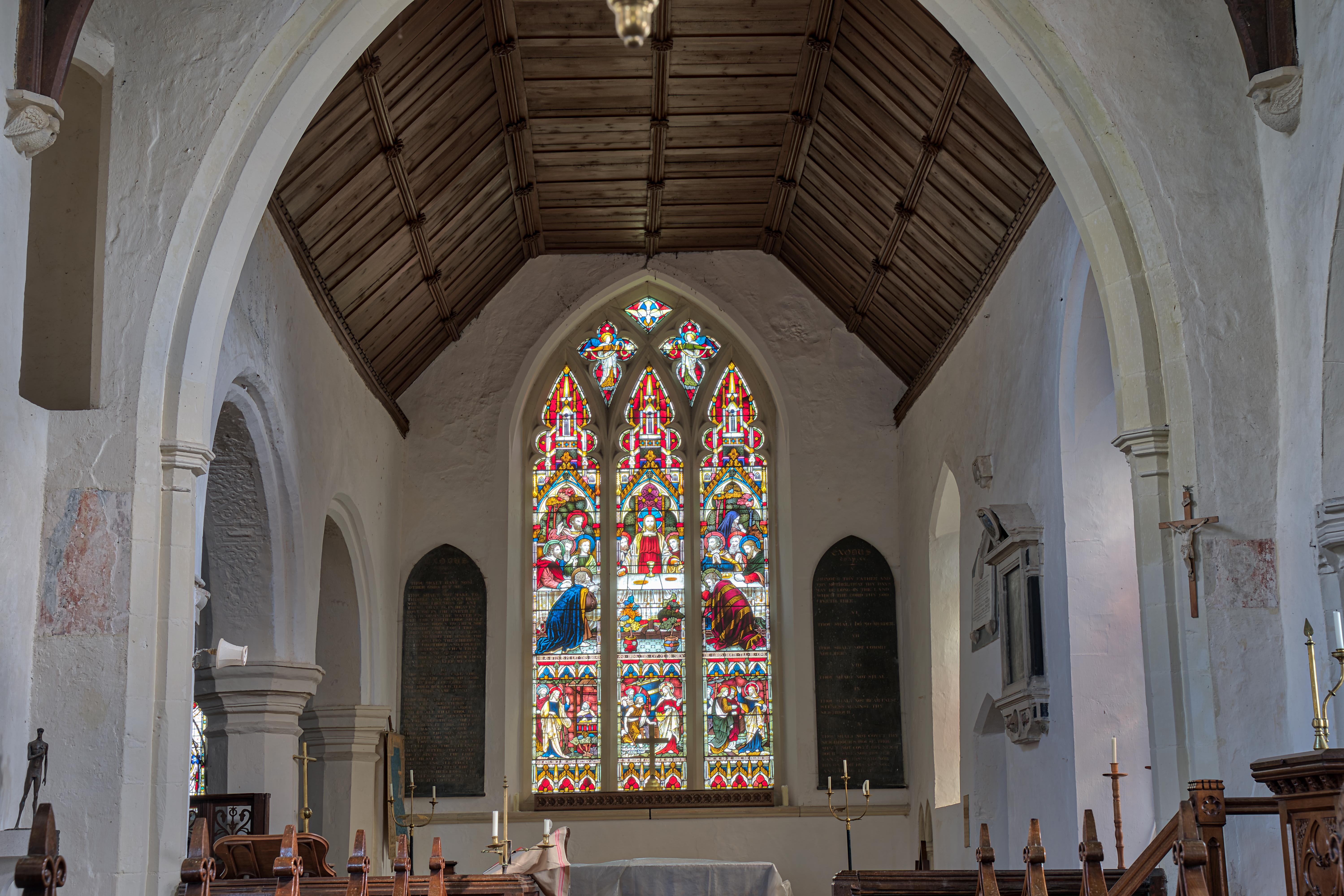
50mm f11 (8 secs, 2 secs, 0.5 secs) ISO 100
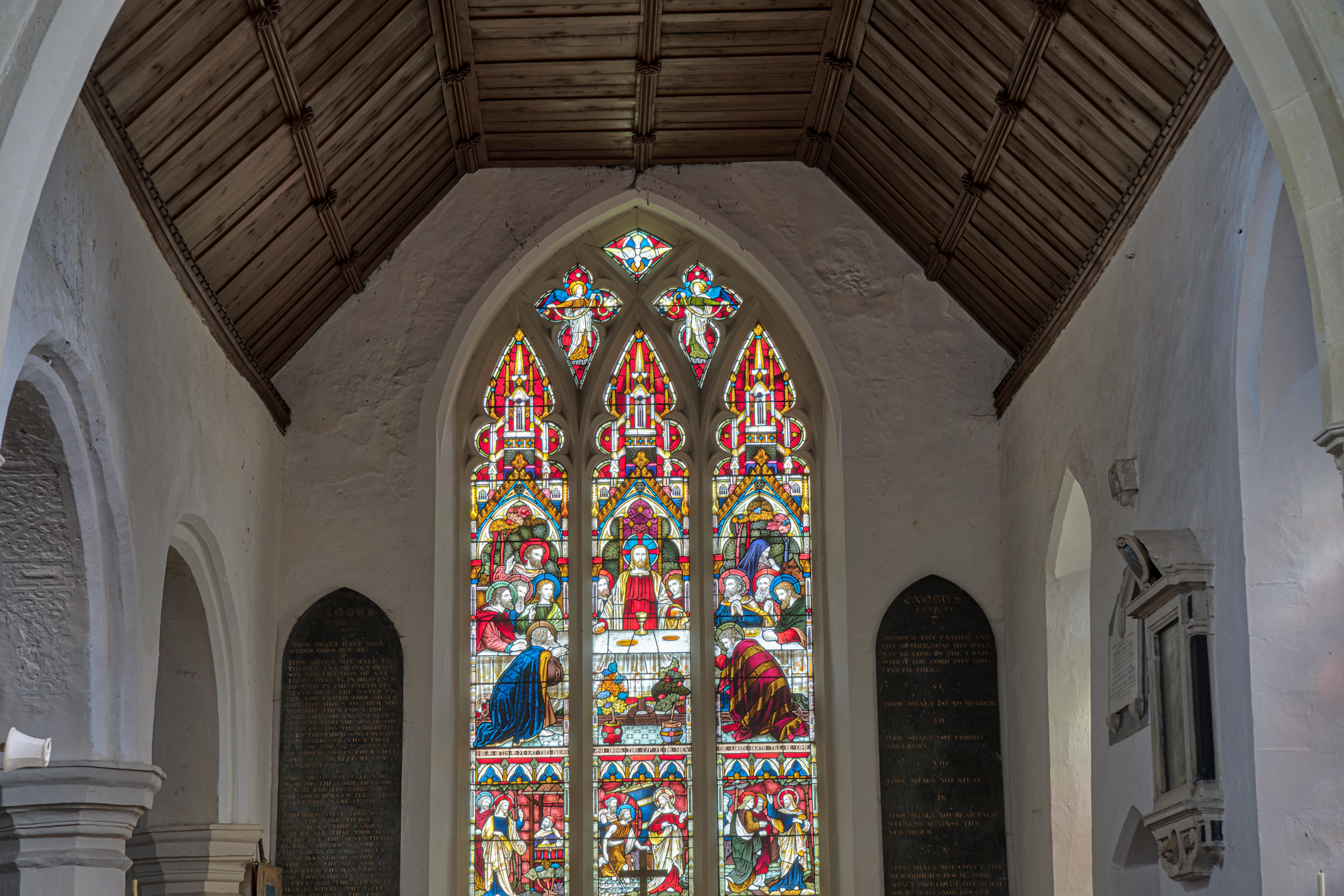
75mm f11 (6 secs, 1.6 secs, 0.4 secs) ISO 100
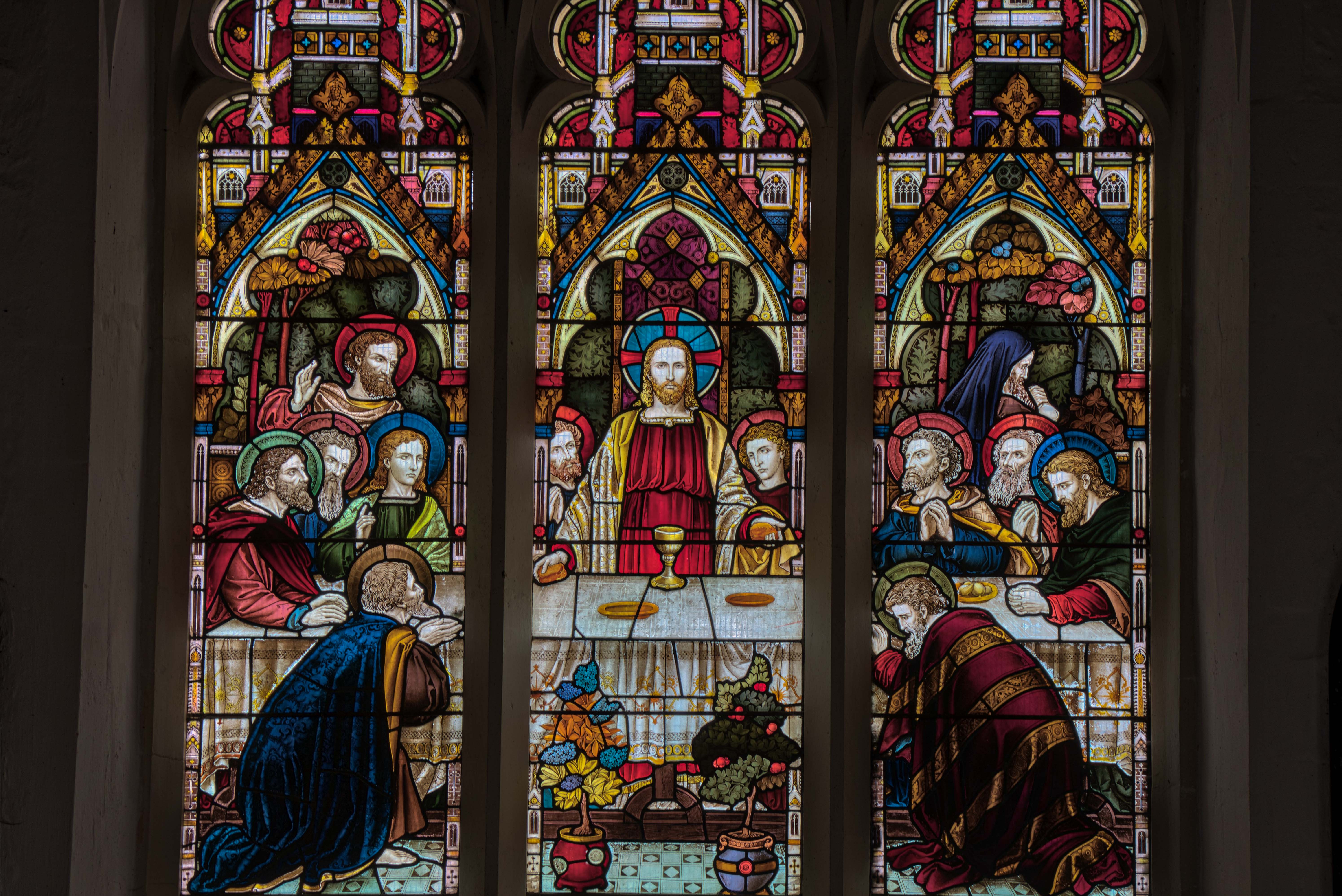
200mm f11 (0.4 secs, 1/10 sec, 1/40 sec) ISO 200
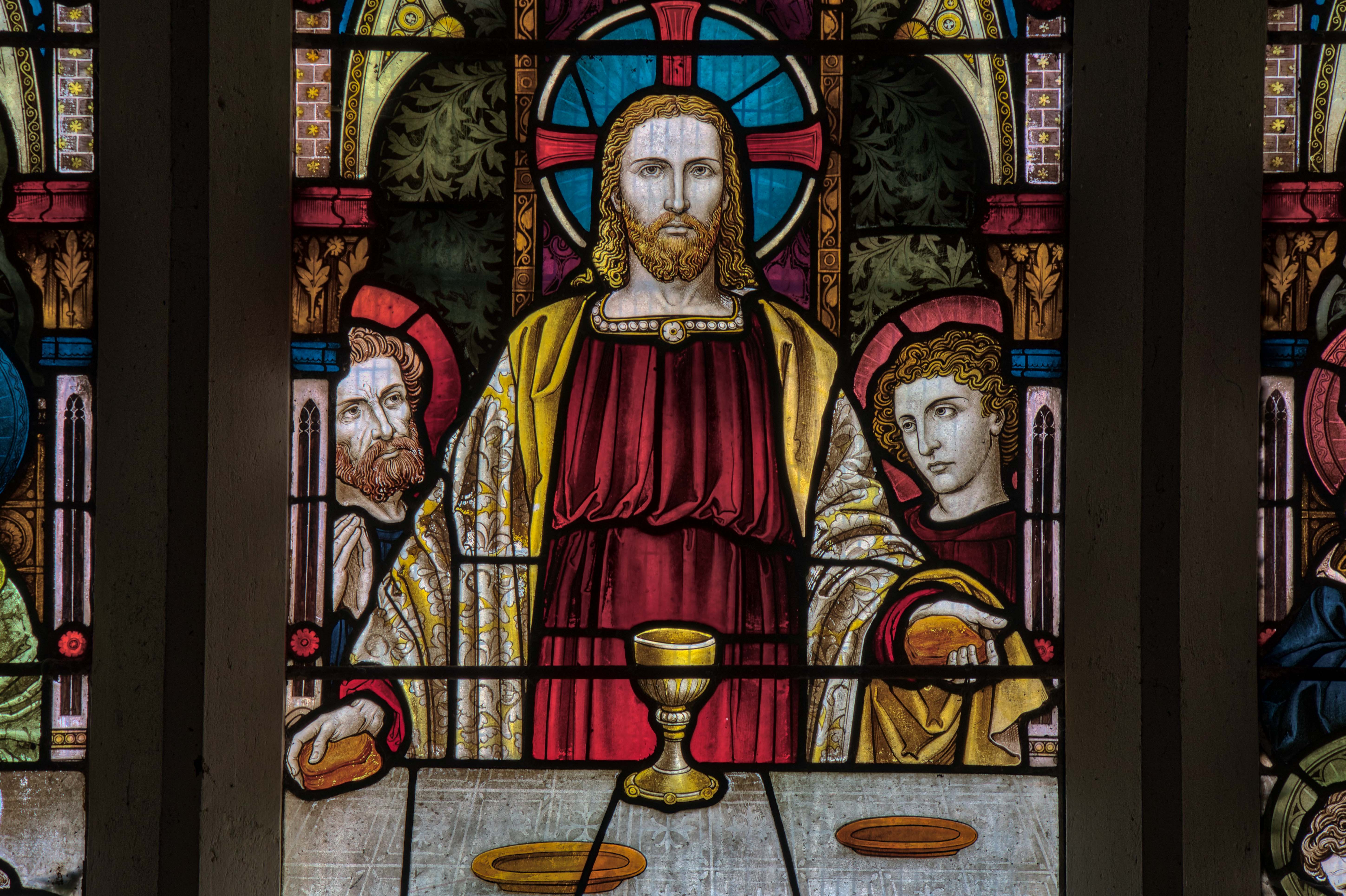
600mm f11 (1/13 sec, 1/50 sec, 1/200 sec) ISO 1000
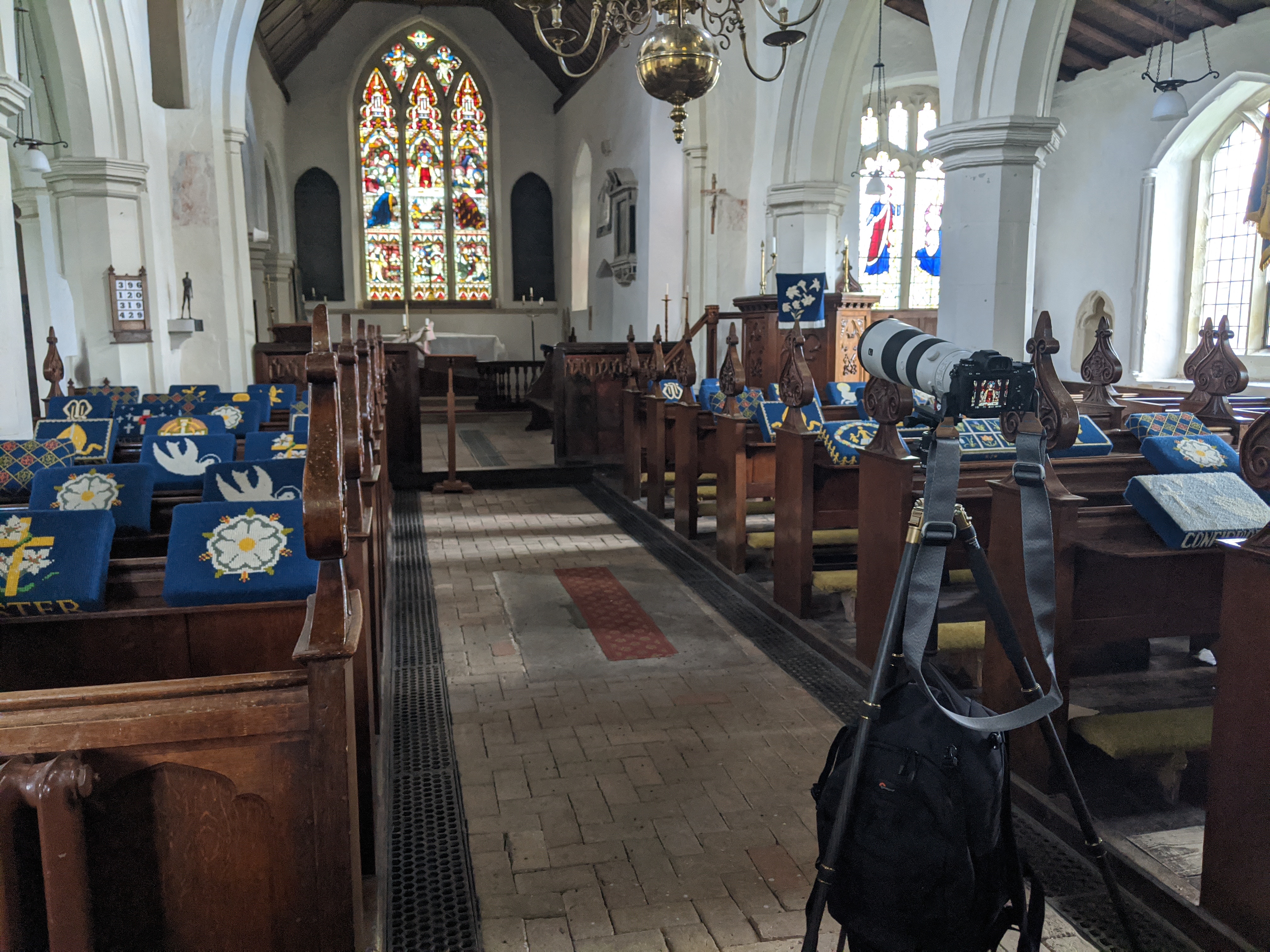
Church setup – note how close the candelabra is and how it’s only truly visible in the 14mm ultra wide shot
Reflection
I was so intent on having the stained glass last supper as the center point for the 600mm image and the candelabra in the widest shot that I feel I have missed a little in the compositional sense from 50mm onwards as the elements in the frame that show the nature of the zoom such as the floor and the pews are no longer in the shot. I could I suppose have moved the tripod or the angle but I felt that would be cheating – had I had more time the best thing really would have been to shoot in portrait and not landscape as a narrower view would still have had enough of the pews in. Not having a 70-200 equivalent lens has also affected the series somewhat as the jump is substantial from 75mm and then to 200mm.
None of the images were cropped or altered beyond a rendering through the HDR engine and I think technically they are sound (the 200mm shot does appear wonky but thats due to the windows on the old church – honest guv!)
Research
OCA mentions Blow Up and Bladerunner together with Google Arts & Culture high res images as a starting point for zoom. Youtube had both clips mentioned and it was interesting to note just how reasonable blade runner was in terms of its use of technology if not the mode of operating (tedious voice controls). Often films of the 80’s (and before) get it all wrong – what do you mean there are still no flying cars in 2020 – ridiculous!!
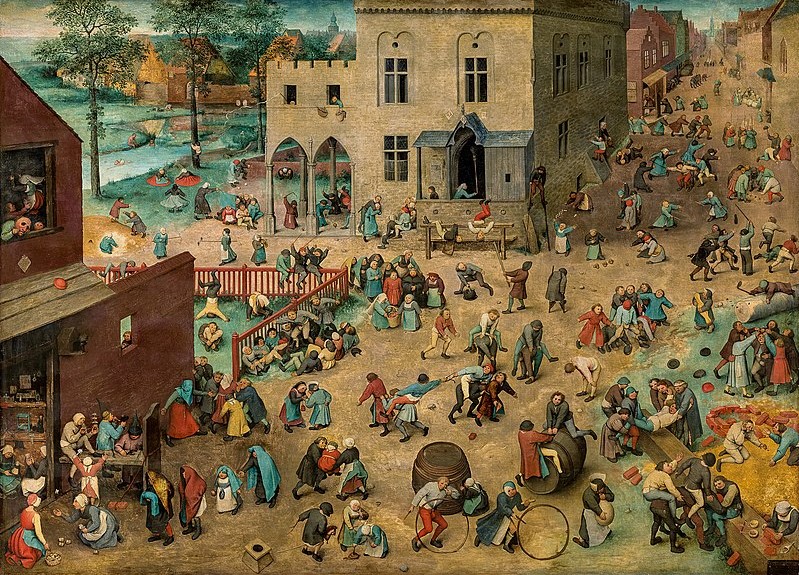
I had previously looked at online art work and zoomed into it and although I did take a look at the Ambassadors I preferred the work of the flemish painter Pieter Bruegel the Elder and in particular Children’s Games which is such a feast for the eyes that I found myself ‘zooming’ all over it – apparently there are 80 games being played in the painting which wikipedia helpfully lists (though some of the games listed are perhaps a bit odd – urinating?? perhaps activities would be a better description).
Following on from this two other main uses of zoom intrigued me. The first was the controversial work of Richard Prince and in particular his Marlboro Man series of images where he had rephotographed cropped elements from adverts in a magazine to create his own vision. The second are the ‘gigapixel’ photographs created from stitching literally thousands of images together which you can explore in detail online.
I had never heard of the term rephotography. I saw the ‘Cowboy’ image by Richard Prince in a book I have and really liked it but had no idea it was literally a photograph of an advert from a magazine with the words cropped out. I was fascinated. Surely illegal (amazingly not, according to the courts) ?! He sold a giant version of the image for over one million dollars – the first photograph to do so. (How This Photo of a Cowboy Helped Create a New Artform, 2020)
I found a fascinating video of the story of these images – it’s worth watching if you have a few minutes spare. I have mixed thoughts about it. I love the image below and blown up to the huge gallery size it looks almost ethereal. Appropriating someone else’s work and making it your own has existed in art for sometime but I haven’t seen anything as overtly ‘stolen’ as this – and to make matters worse (if you were the original photographer) he became a millionaire off the back of it!
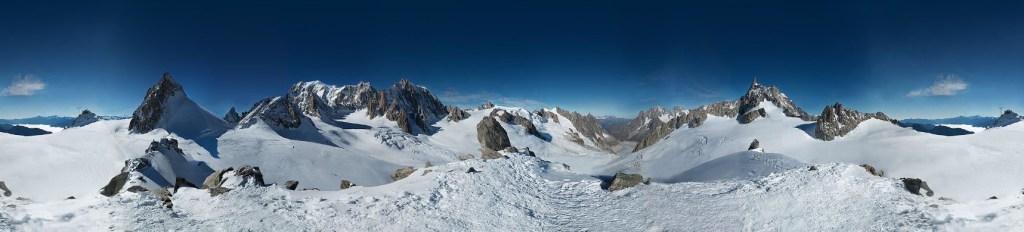
Gigapixel images – if you google this term you’ll find many examples and especially cityscapes. I was intrigued by the supposed largest image ever created which is of Mont Blanc consisting of 70,000 images and is 365 gigapixels (as if that’s even comprehendable) – “in2white – MontBlanc Largest panoramic image,” n.d. You can spend an age zooming in and out of this image trying to find details that are imperceptible at full size (very reminiscent of the blade runner scene mentioned above). Despite being the biggest of these type of images I think it holds less interest than the cityscapes purely because a lot of it is just mountain. Again the idea of rephotography came to mind when zooming into this image and so I took images (in reality they are just snips using the microsoft tool) from it.
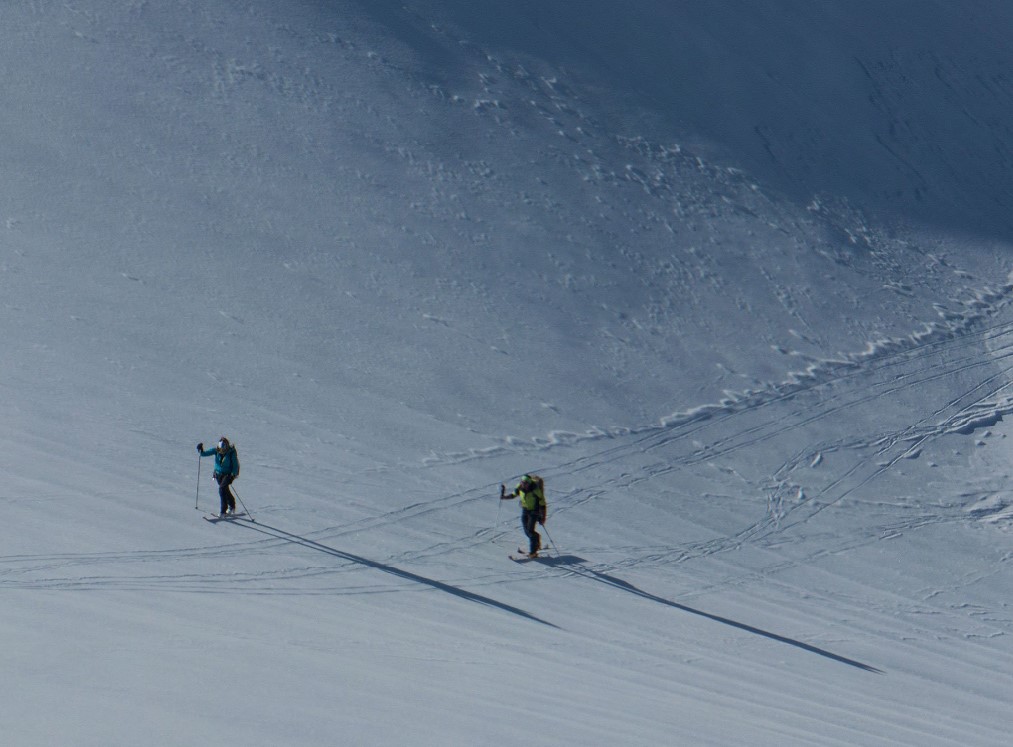
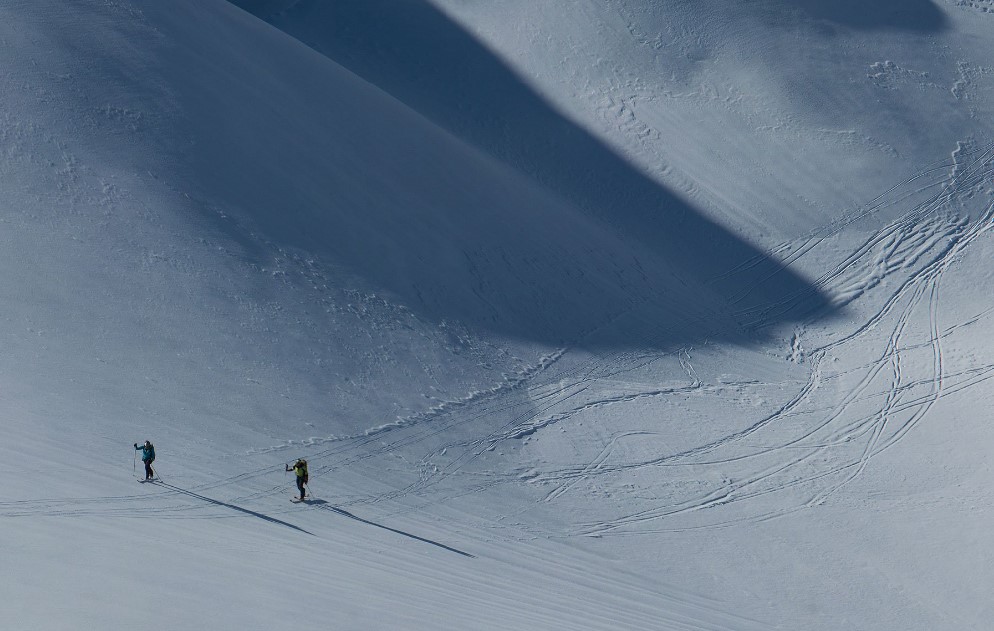
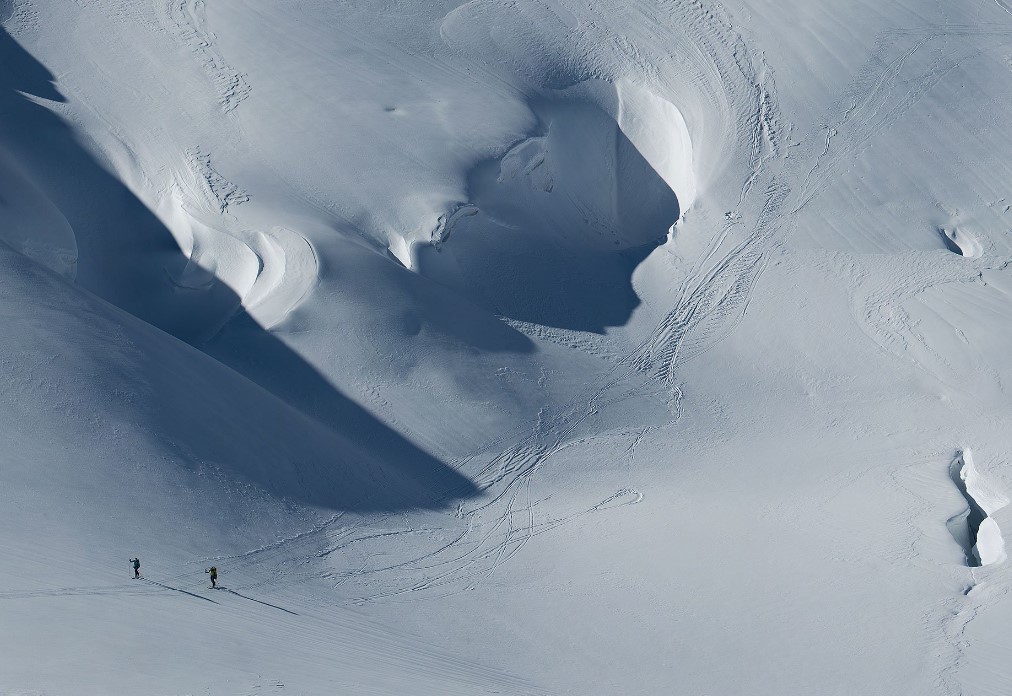
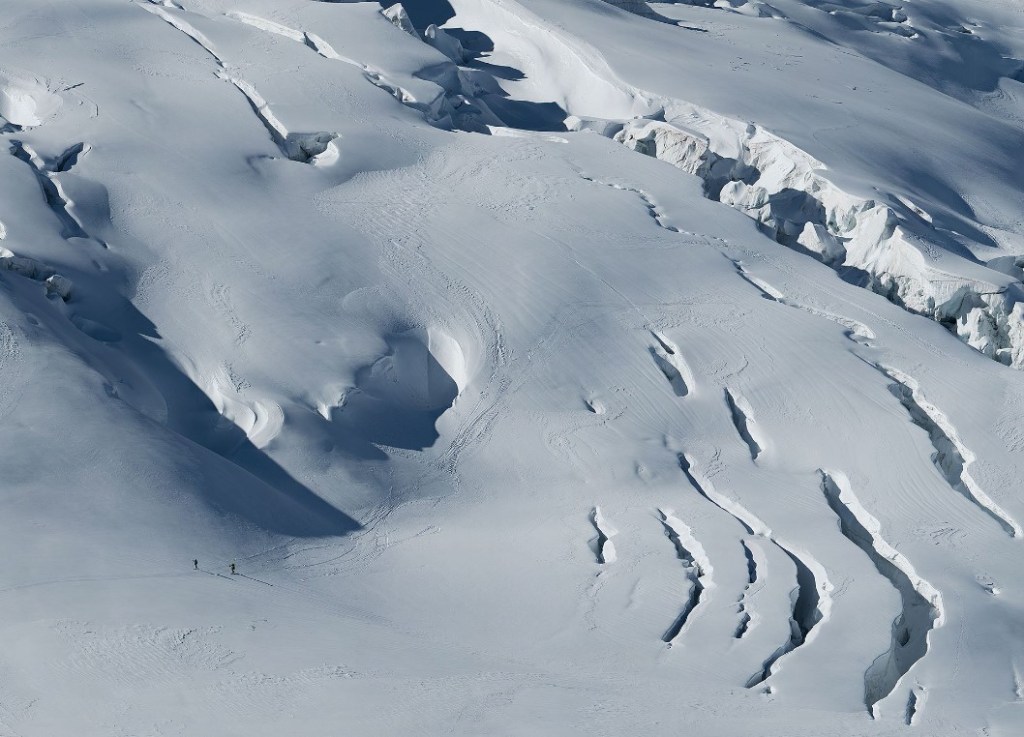
Following on from this I thought it would be a good idea to try the same technique on one of my own photographs.
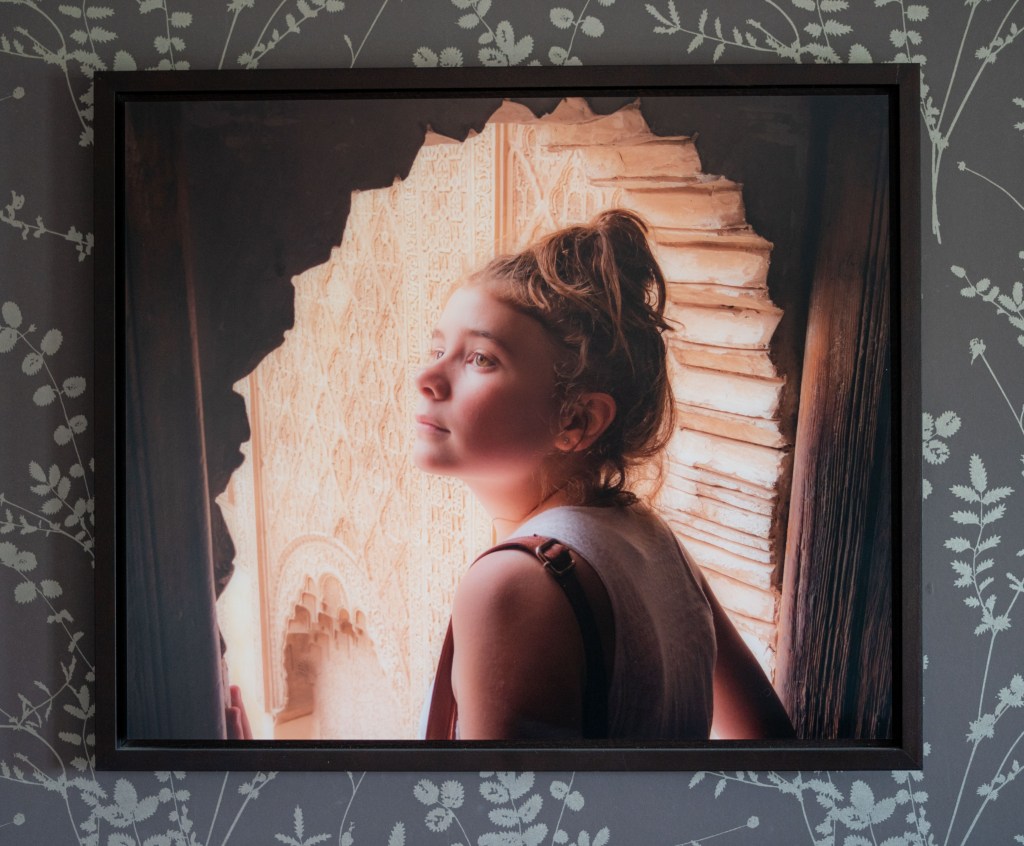
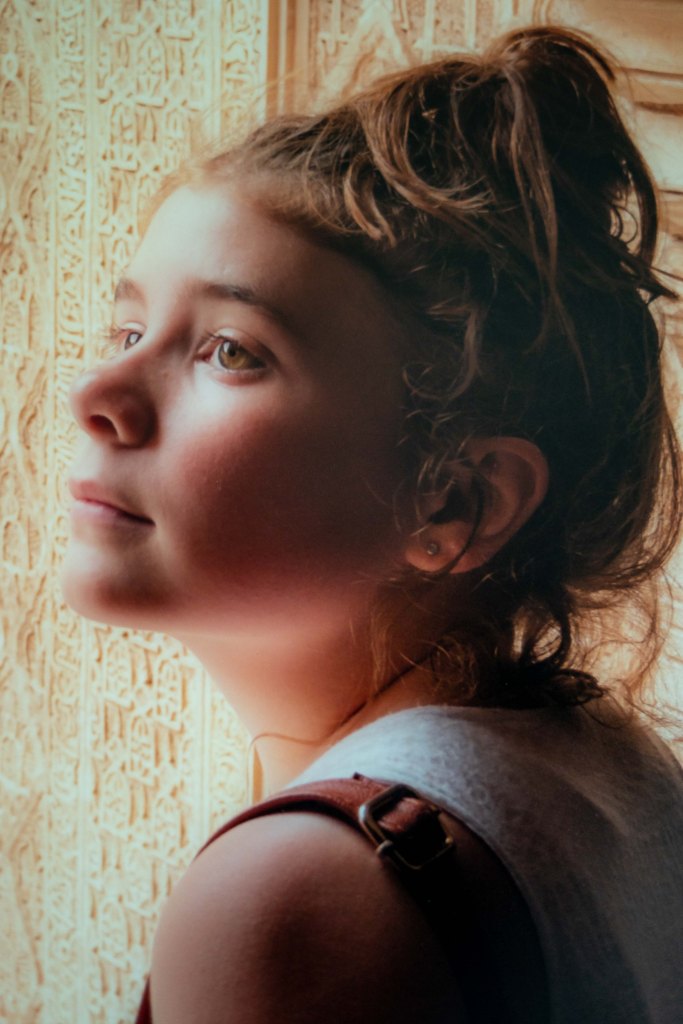
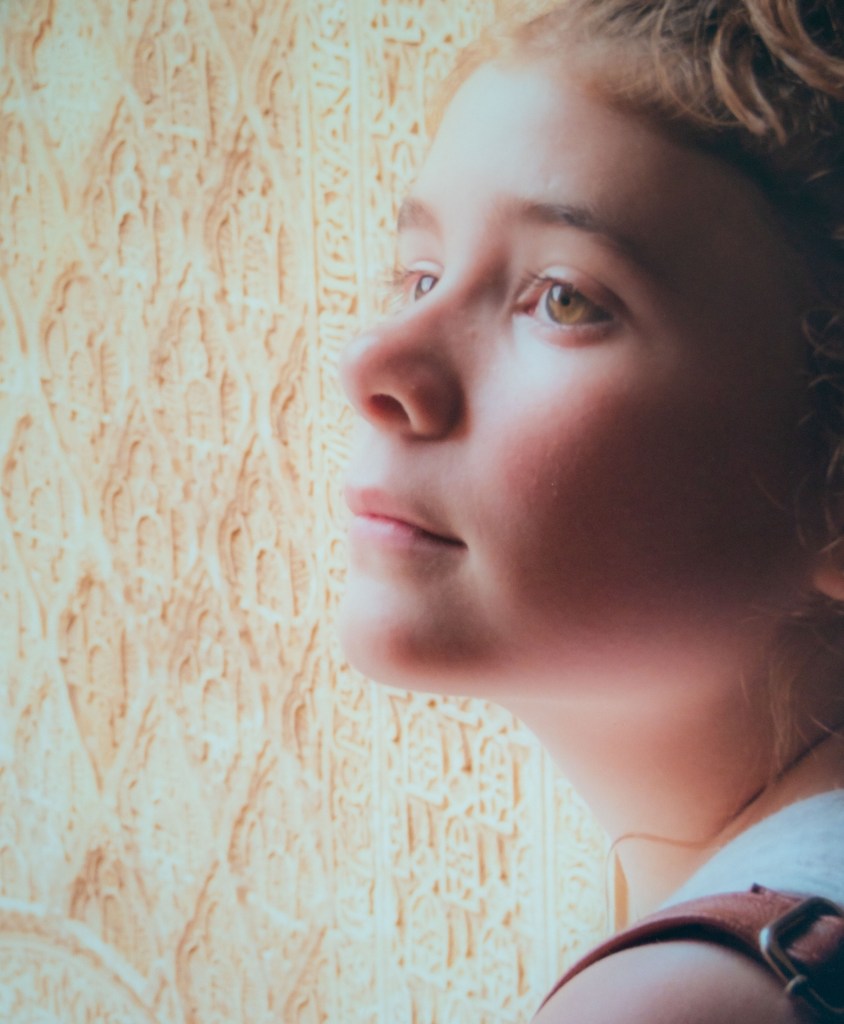
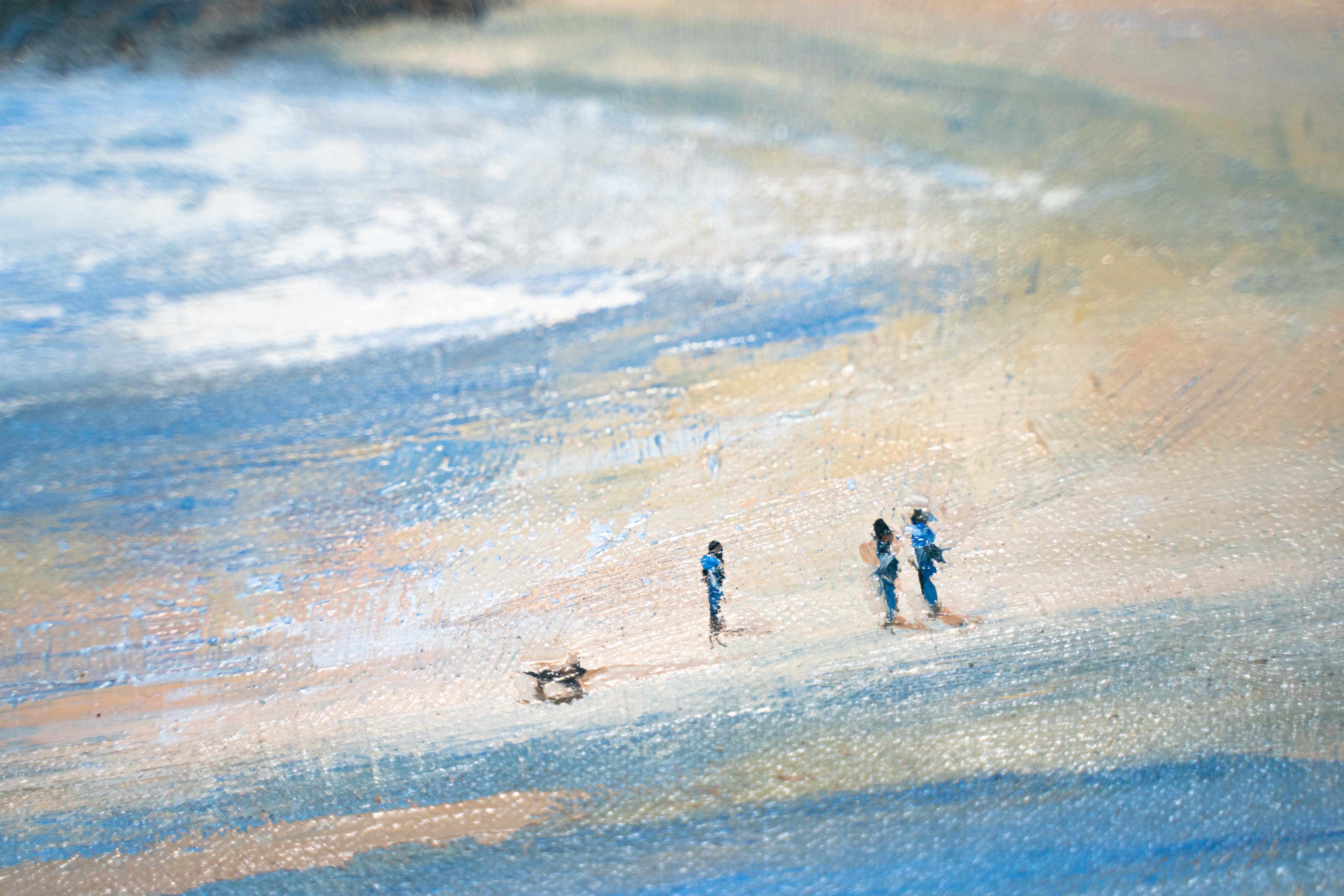
I didn’t really like the results – I prefer the first version as a photo, the second one I tried to make more dreamlike but I don’t really think the crop is successful. Unperturbed by this I started thinking about how to show depth from an existing flat image whilst still using zoom. I have an oil painting in my kitchen that I thought would make a good subject as it’s large enough to really get some detail of the actual brush strokes and at the same time hopefully show elements of depth by using a shallow aperture and an upwards (tilt and shiftish) angle to give depth where there is none. I definitely prefer this to the above efforts and so the following is my final image to add to the sequence at the start.
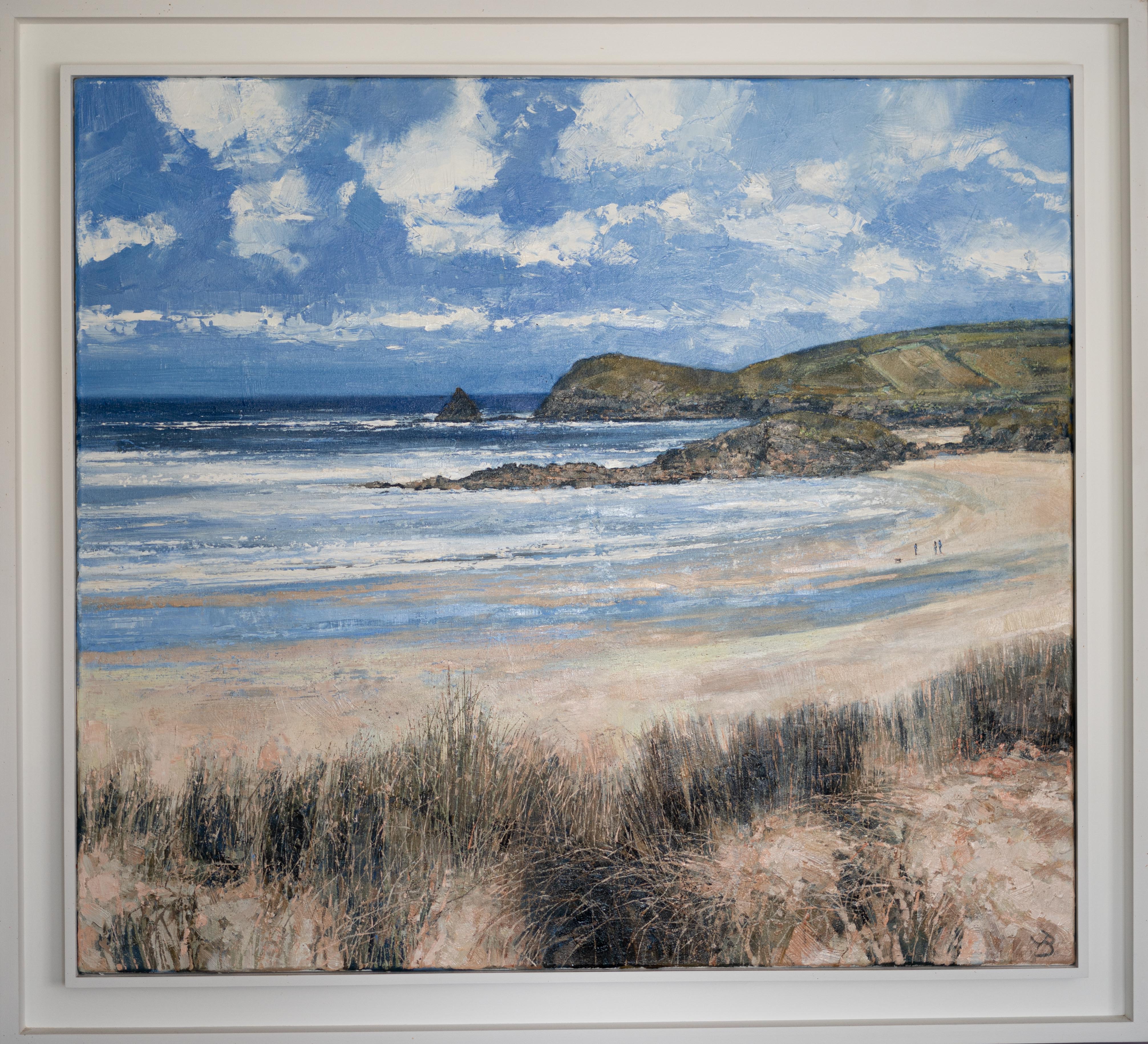
Constantine Bay – John Brenton
Bibliography
(57) Blowing Up The Photographs (Scene from Blow-Up) – YouTube [WWW Document], n.d. URL https://www.youtube.com/watch?v=Q62gRiUrylw (accessed 3.27.20).
(57) Esper Machine – “Blade Runner” (HD) – YouTube [WWW Document], n.d. URL https://www.youtube.com/watch?v=wi7Of5sHGFI (accessed 3.27.20).
(57) Untitled (Cowboy): Behind Richard Prince’s Photographs & Appropriation | 100 Photos | TIME – YouTube [WWW Document], n.d. URL https://www.youtube.com/watch?v=bxySP5R-IWs (accessed 3.27.20).
In2White [WWW Document], n.d. URL http://www.in2white.com/ (accessed 3.27.20).
Children’s Games – Pieter Bruegel the Elder [WWW Document], n.d. . Google Arts & Culture. URL https://artsandculture.google.com/asset/children’s-games-pieter-bruegel-the-elder/CQEeZWQPOI2Yjg (accessed 4.4.20).
Children’s Games (Bruegel), 2020. . Wikipedia.
HDR Software – Best HDR Photo Editor for Mac & PC | Aurora HDR 2019 [WWW Document], n.d. URL https://skylum.com/aurorahdr (accessed 4.15.20).
Hieronymus Bosch, 2020. . Wikipedia.
How This Photo of a Cowboy Helped Create a New Artform [WWW Document], n.d. . 100 Photographs | The Most Influential Images of All Time. URL http://100photos.time.com/photos/richard-prince-cowboy (accessed 4.19.20).
Tate, n.d. Appropriation – Art Term [WWW Document]. Tate. URL https://www.tate.org.uk/art/art-terms/a/appropriation (accessed 4.19.20).
 Lee Abbey OCA Photography Degree