Find a subject in front of a background with depth, take a close viewpoint and zoom in. Take a shot then without changing focal length or framing set the focus to infinity and take another.
I am disappointed with myself! Having finished this exercise a couple of weeks ago I only just realised today that at the end of the exercise it also states….Take a third shot with both elements in focus. Dagnabbit!! No big deal – I just need to head out once the rain stops and take the images again.
At least I’m not the only one to not read something properly – I noticed another student asking why the exercise was called Woodpecker when it states why in the text. Glad it’s not just me!
For now though I’ll upload the attempts I made. I did find this an interesting exercise. It makes you think about the framing, the focus and the interest of the subject.
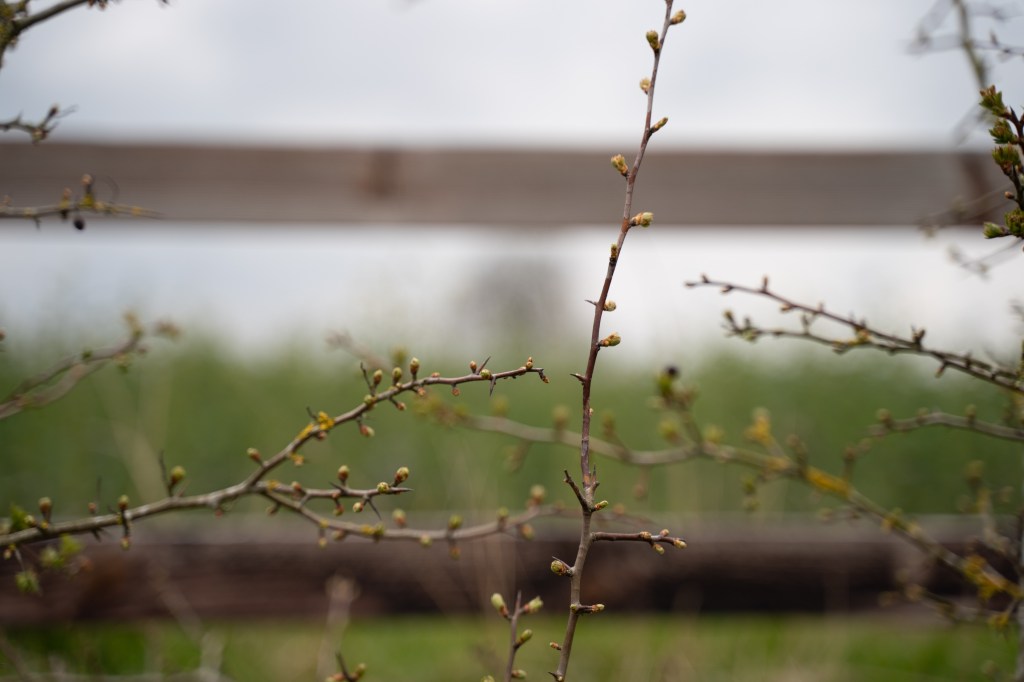
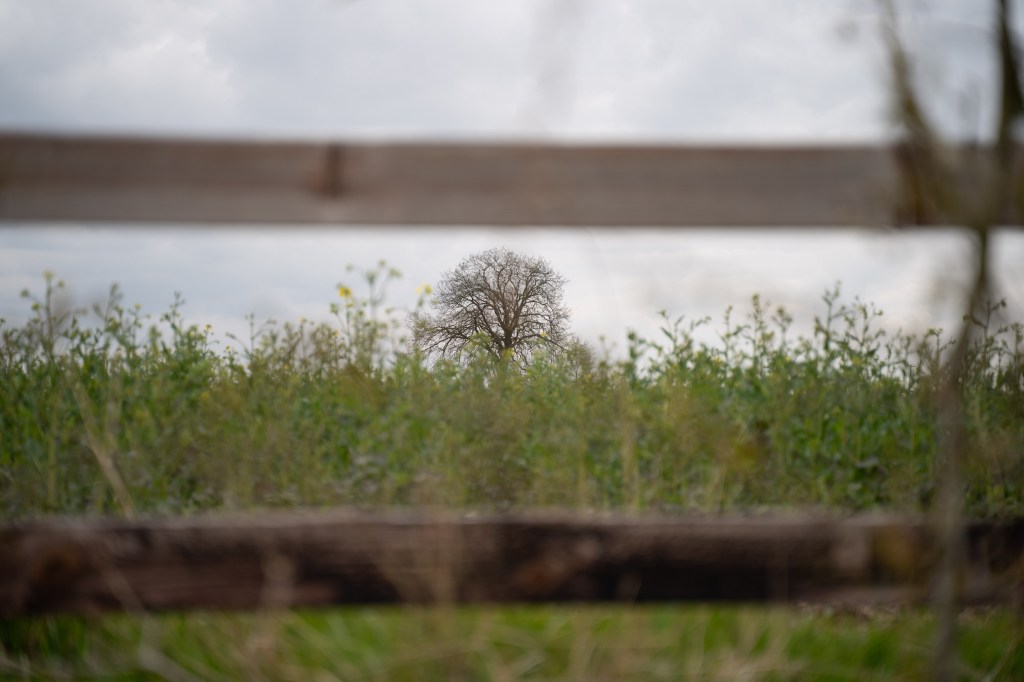
These two need a third and fourth image – with the fence panels in focus and the tree and brush out then another with them all in focus. It was never going to be my final choice for this exercise as it’s a bit messy and with three layers it doesn’t quite fit the brief but I liked the way that the hawthorn (or whatever it is) is thrown so out of focus in the second image that it practically disappears.
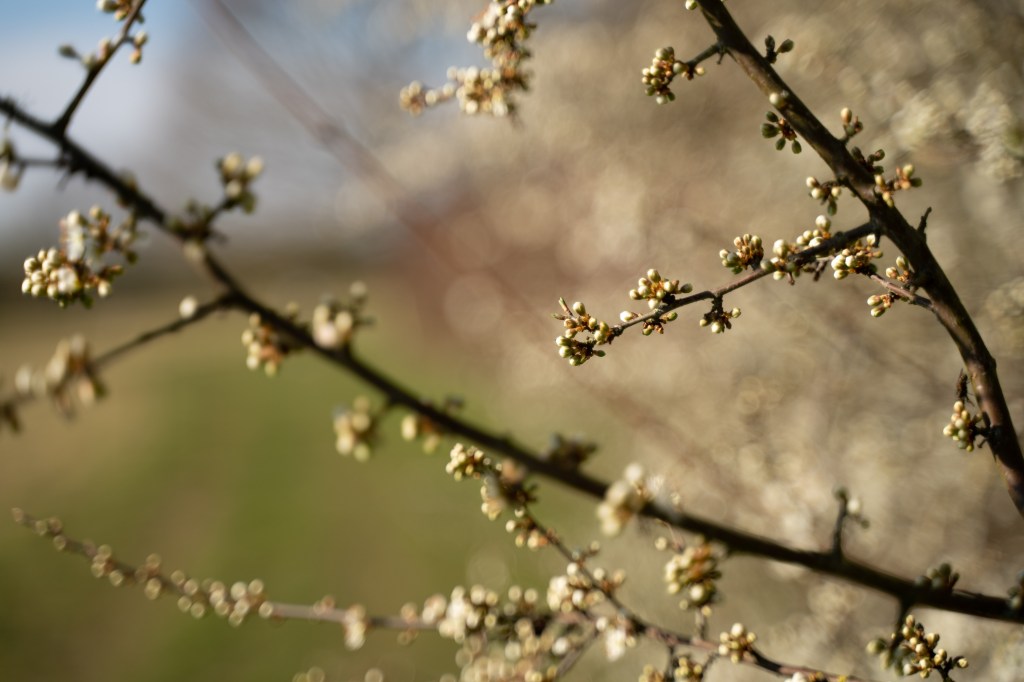
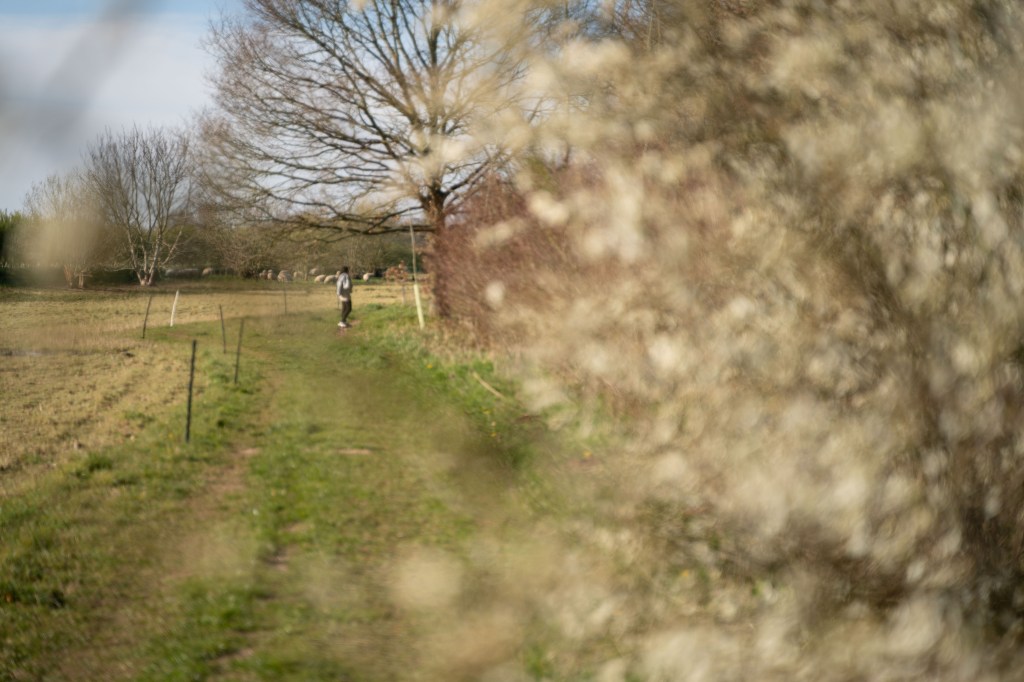
A similar but more tidy pair of images. Each one obscures the central point of the other image. It’s like taking away or adding a mask – now you see me, now you don’t. I actually think a third photo in this set would have been unachievable as I was so close to the blossom.
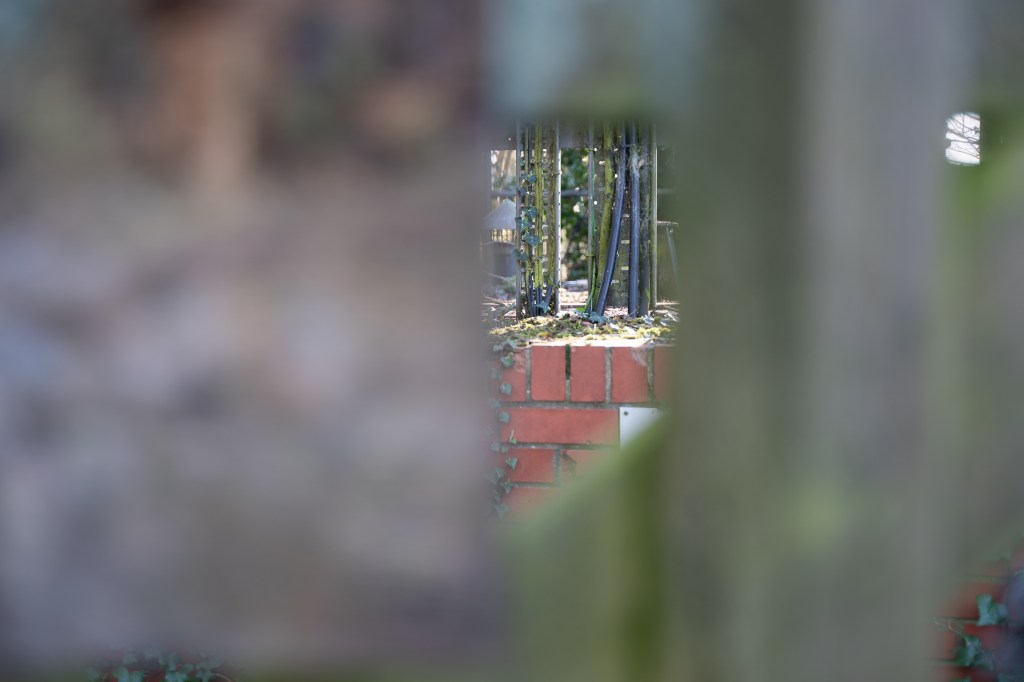
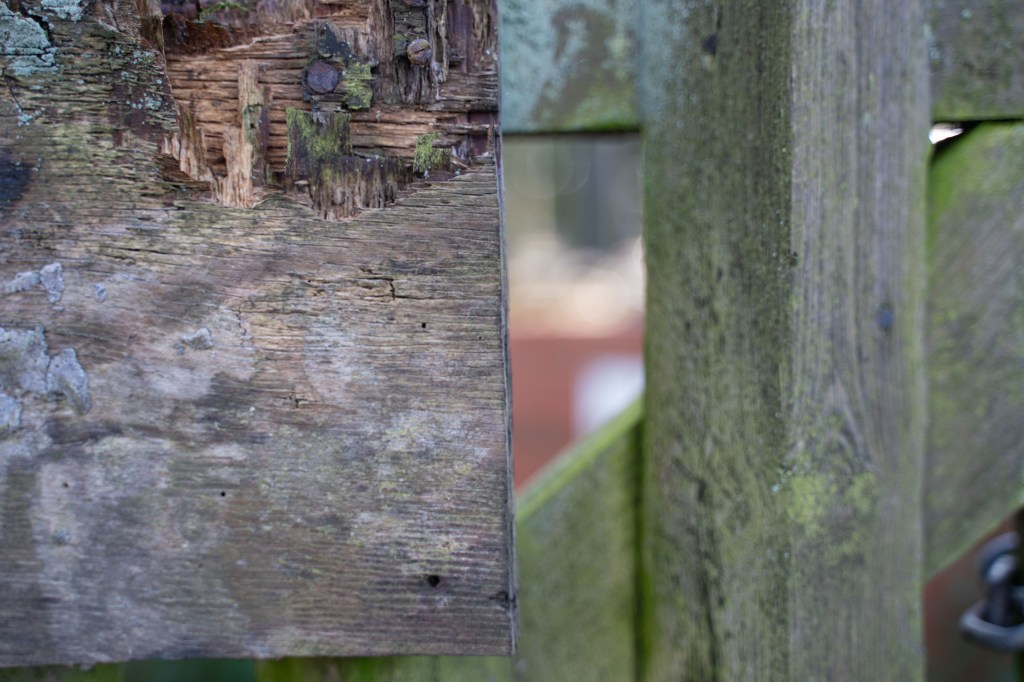
I was trying to go for something a bit more abstract here. I don’t think they are very successful. The blurred part of the fence on the left take up too much of the frame and the ‘peep hole’ isn’t interesting enough.
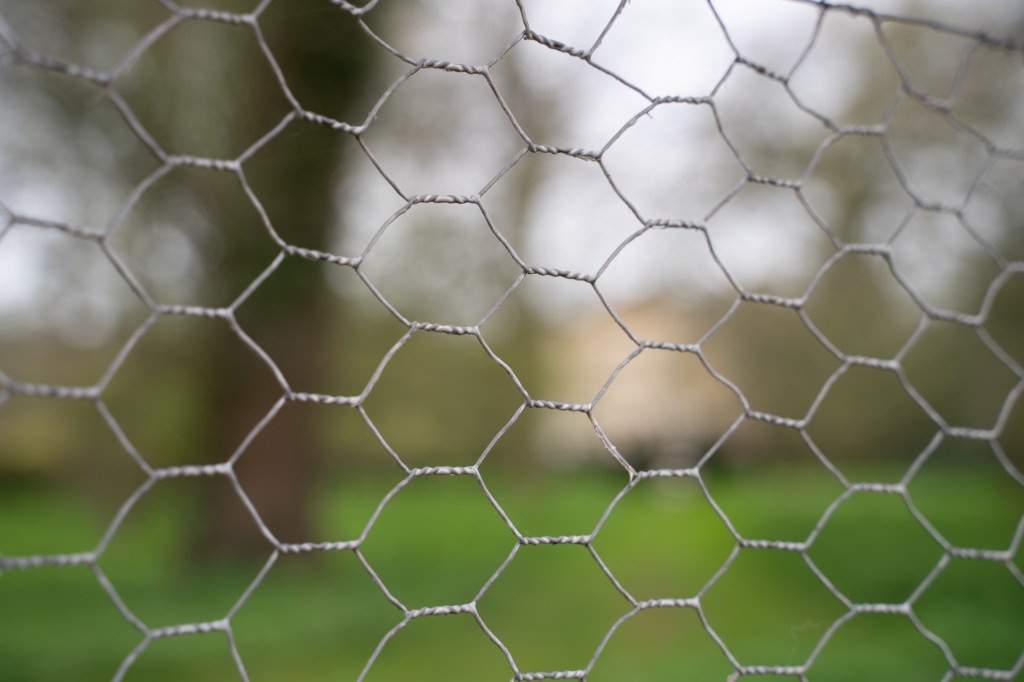
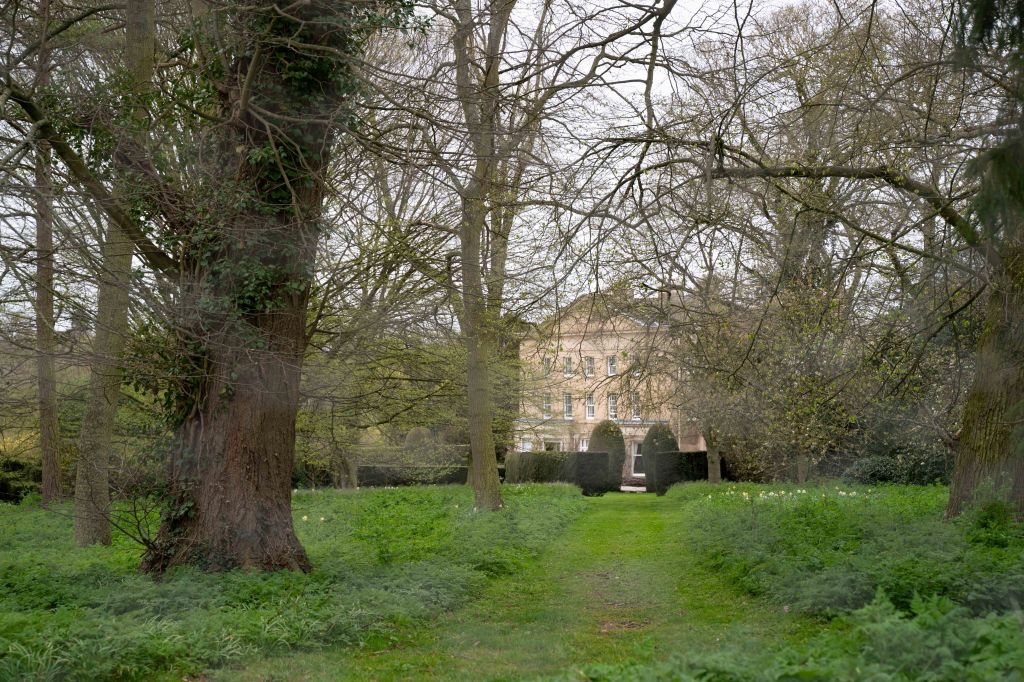
These are my final selections for ‘Woodpecker’ the chicken wire fence doesn’t give much hint to the grandeur that lies beyond (not my house – too small) and when it’s revealed in the second photo you can barely tell there is anything keeping you off limits.
Reflection
EYV mentions left brain for detail and right brain more globally – no reference of it’s own though! (EYV P46). I couldn’t find anything to back that up but the point its making is the importance to try and master both the technical and the compositional aspects of photography or at least by having a decent understanding of both you will be able to create images rather than pics. I’d definitely forego technical know how for compositional understanding and creativity purely because cameras are so intelligent that a basic understanding of just shutter and aperture can suffice most of the time whereas the other elements require at the very least an inherent talent or/and a deep understanding of the medium.
Having said that it’s also true that you can be creative and see a composition after the event – cropping anyone?! I’ve lost count of the number of times I’ve looked at a cropped version of an image I’ve taken and been disappointed that I didn’t see it at the time – I can’t be much of a photographer then if it takes me a minute sitting at a screen with no distractions to see an image instead of in a couple of seconds. However it’s heartening to know that some of the masters used cropping effectively on their work.
These Arnold Newman images of Picasso and Stravinsky provide reassurance that cropping can be a wonderful thing.
Sometimes capturing the magic requires a little detective work.
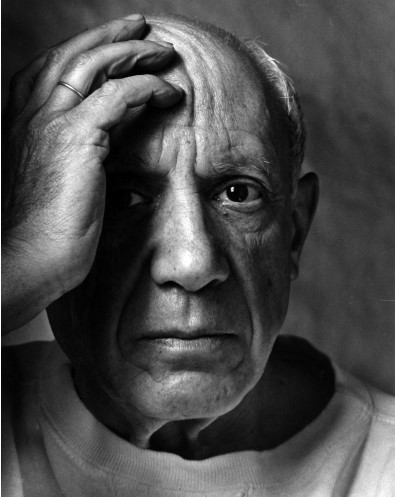
Pablo Picasso, Vallauris, France, 1954 – Arnold Newman 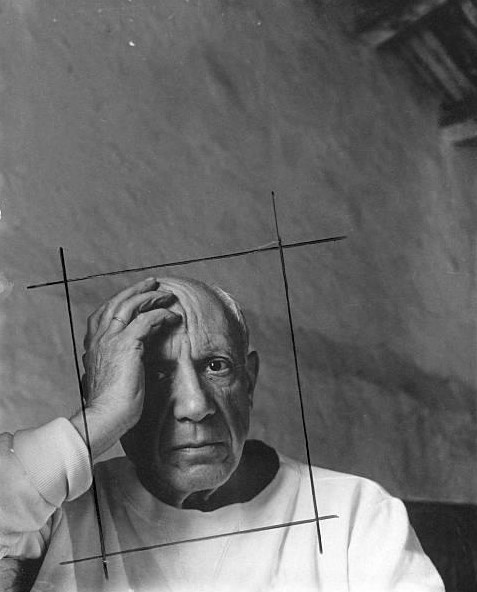
Pablo Picasso, Vallauris, France, 1954 – Arnold Newman
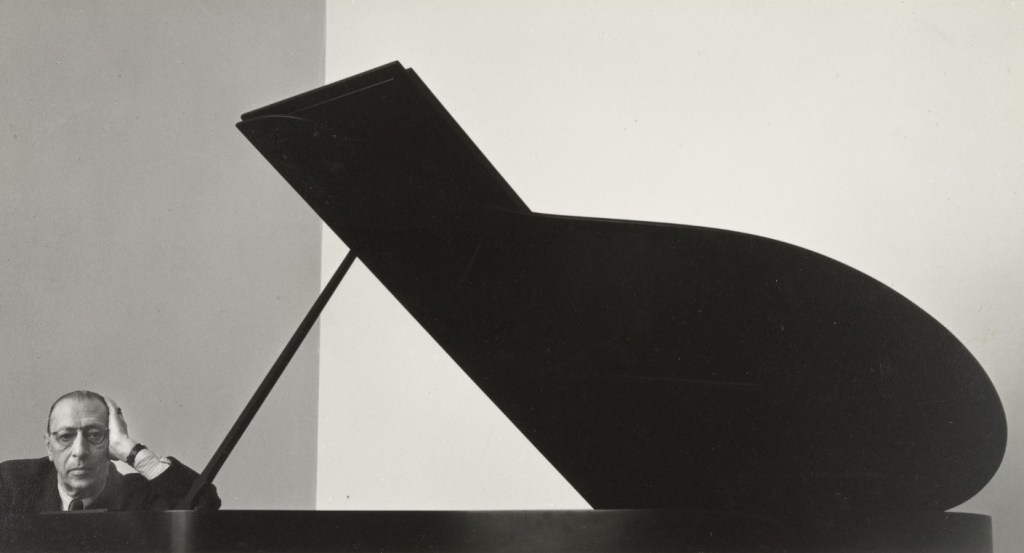
Igor Stravinsky, New York 1946 – Arnold Newman
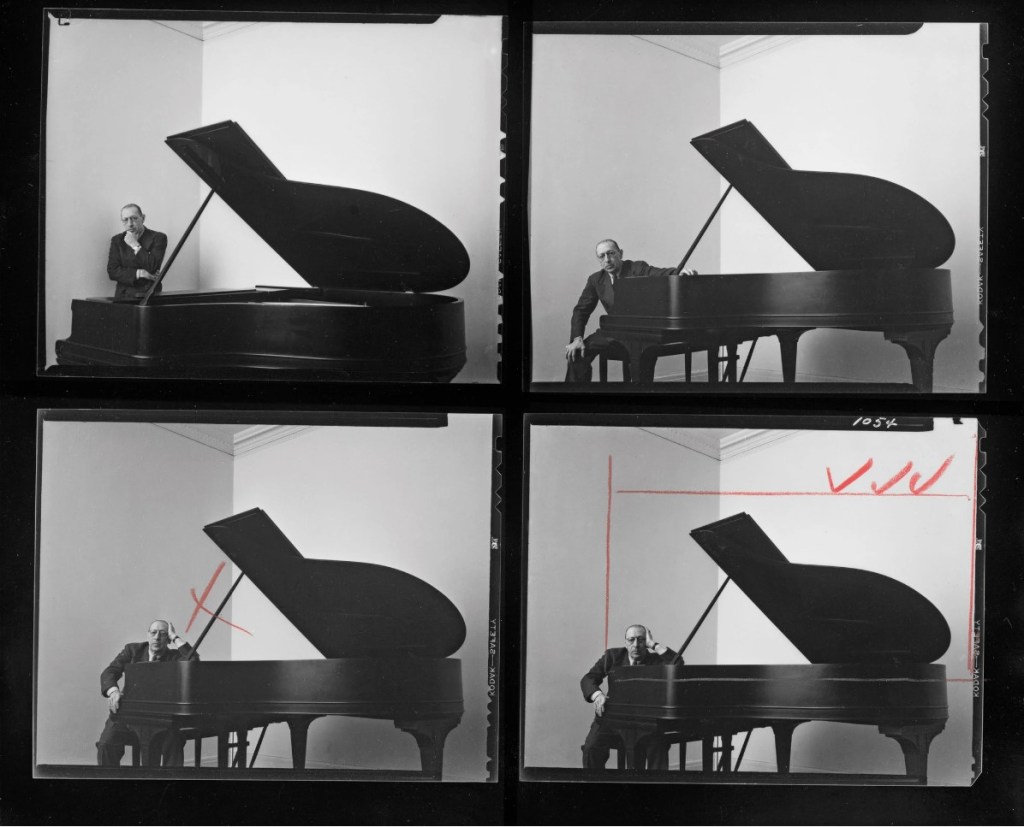
Igor Stravinsky, New York 1946 – Arnold Newman
Bibliography
Arnold Newman – Artists – Howard Greenberg Gallery [WWW Document], n.d. URL http://www.howardgreenberg.com/artists/arnold-newman (accessed 4.30.20).
Arnold Newman. Igor Stravinsky. 1946 | MoMA [WWW Document], n.d. . The Museum of Modern Art. URL https://www.moma.org/collection/works/55329 (accessed 4.30.20).
Bokeh, 2020. . Wikipedia.
Entrance pupil, 2020. . Wikipedia.
How Much Blur Lens Background depth of field DOF calculator, n.d. URL https://www.howmuchblur.com/ (accessed 4.29.20).
MD, R.H.S., 2017. Right brain/left brain, right? [WWW Document]. Harvard Health Blog. URL https://www.health.harvard.edu/blog/right-brainleft-brain-right-2017082512222 (accessed 4.30.20).
Silverman, R., 2018. Examining Arnold Newman’s Environmental Portraits. The New York Times.
Welcome to The Arnold Newman Website | Arnold Newman [WWW Document], n.d. URL https://arnoldnewman.com/ (accessed 4.30.20).
 Lee Abbey OCA Photography Degree